What Ruaha National Park adds to a Tanzania journey
A large and remote-feeling park known for dramatic river systems, predator sightings, and an uncrowded sense of scale.
Primary focus: Predators, elephants, rugged landscapes. That focus is useful, but the destination should still be understood as a complete landscape with changing conditions, local communities, travel logistics, and limits.
Shorter visits may be possible, but the transfer should not consume most of the experience. Remote destinations need more nights because access is part of the cost.
Landscape and atmosphere
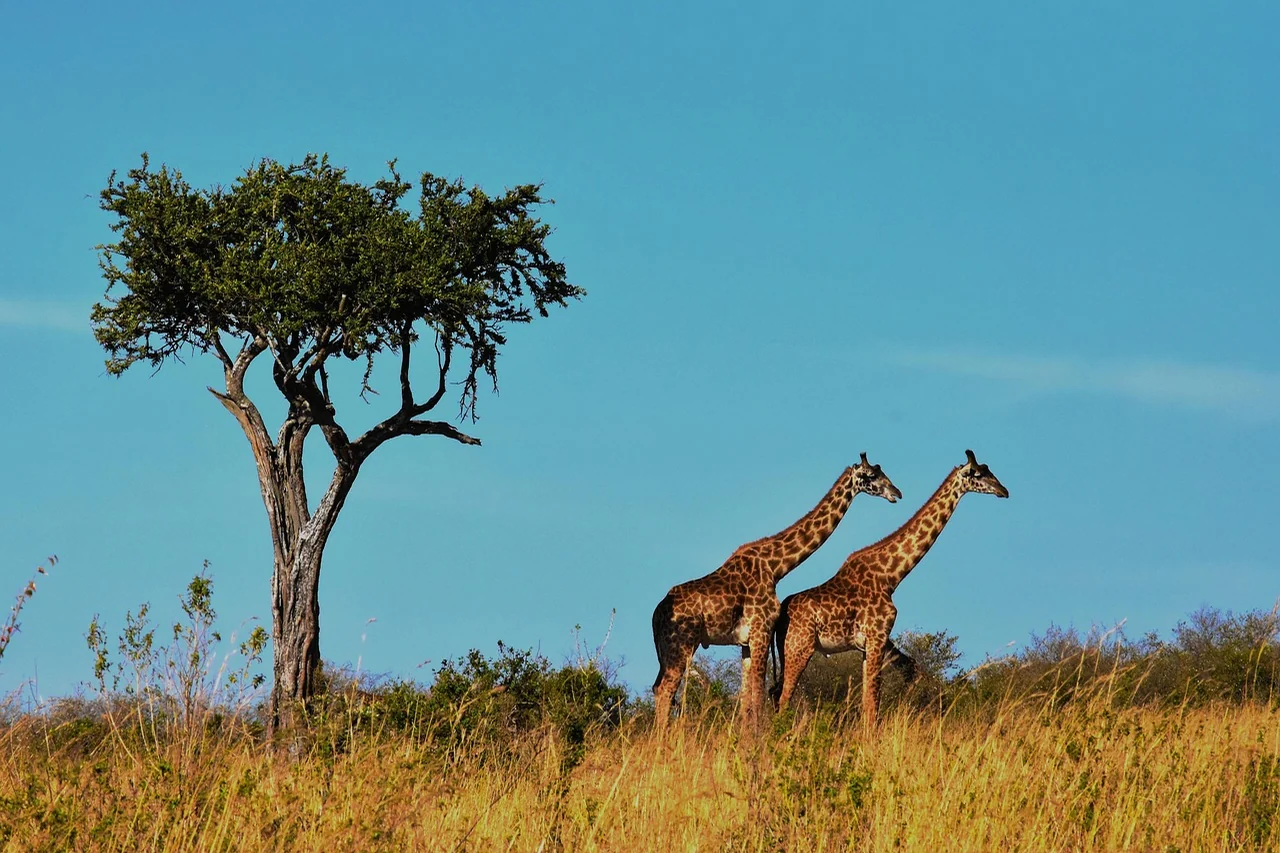
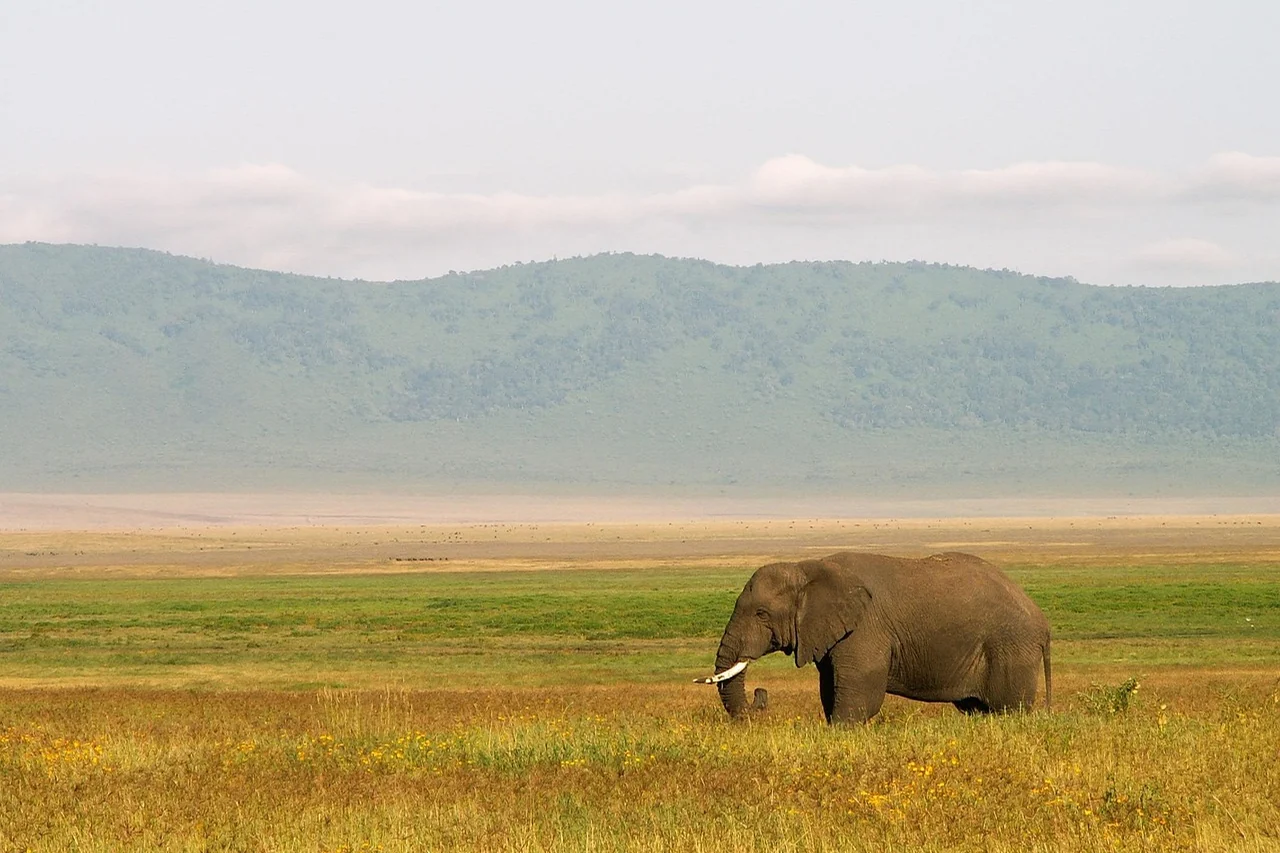
Ruaha is broad, rugged, and dry for much of the year, with the Great Ruaha River and seasonal waterways drawing life through rocky hills and baobab country. The scale rewards several nights.
Accommodation location changes the experience. A property can be visually impressive but poorly placed for the activity you care about. We compare access time, operating season, road or boat conditions, and how the setting feels between activities.
Wildlife and activities
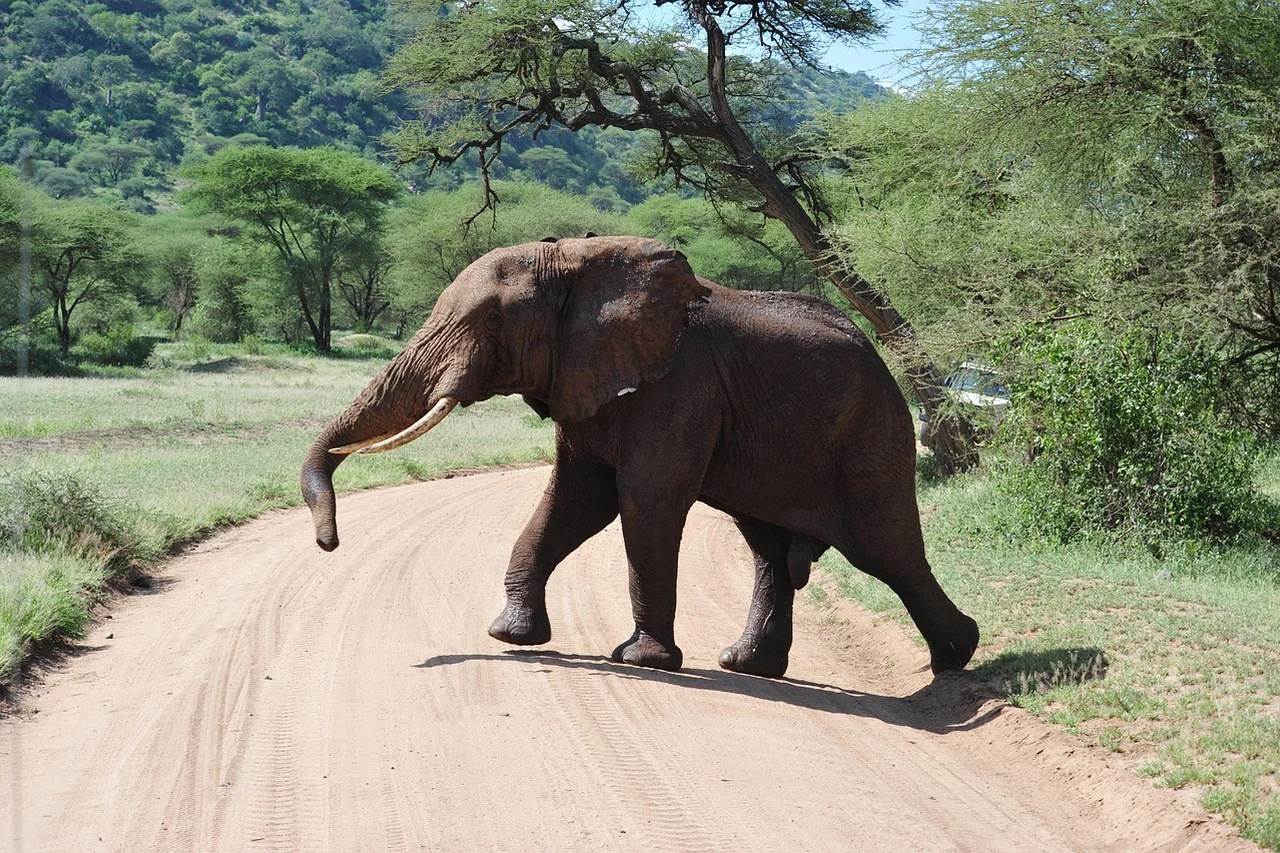
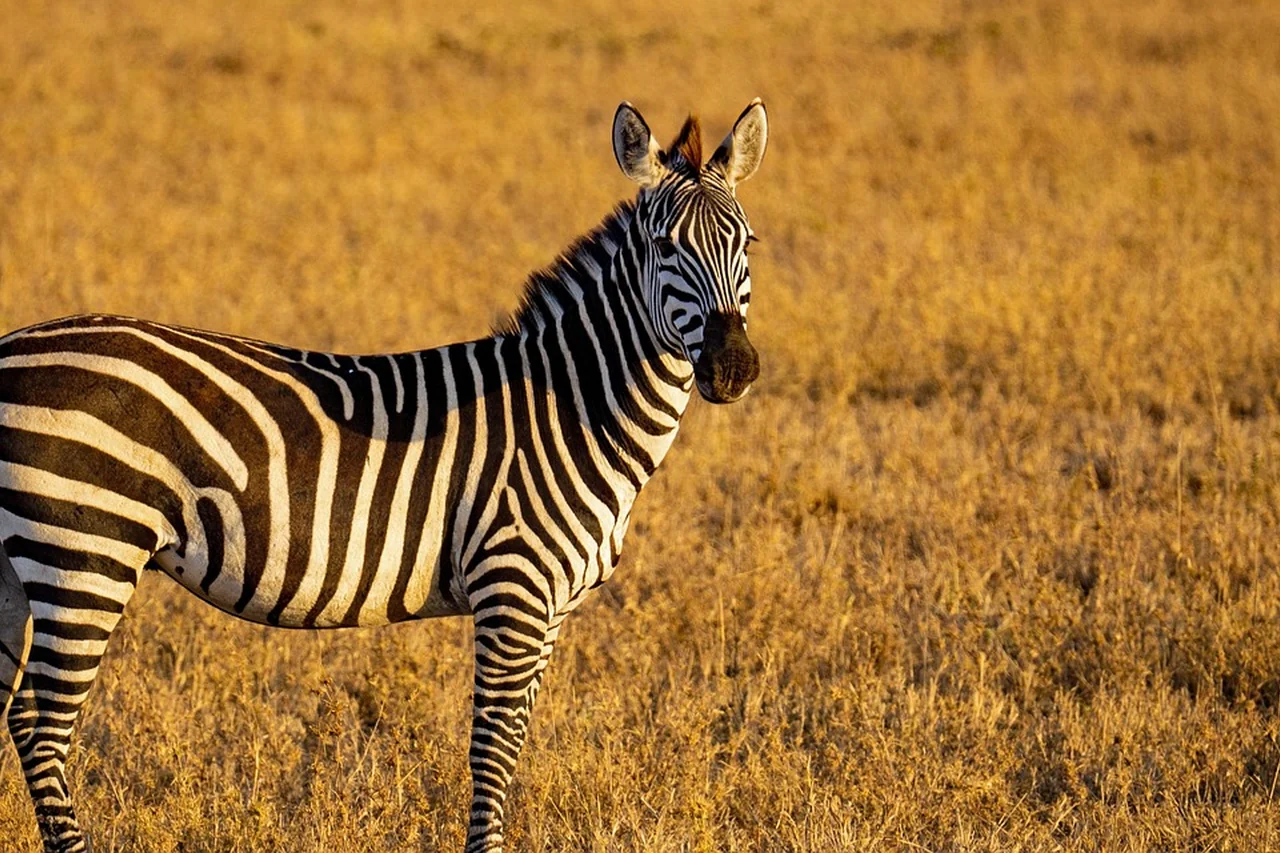
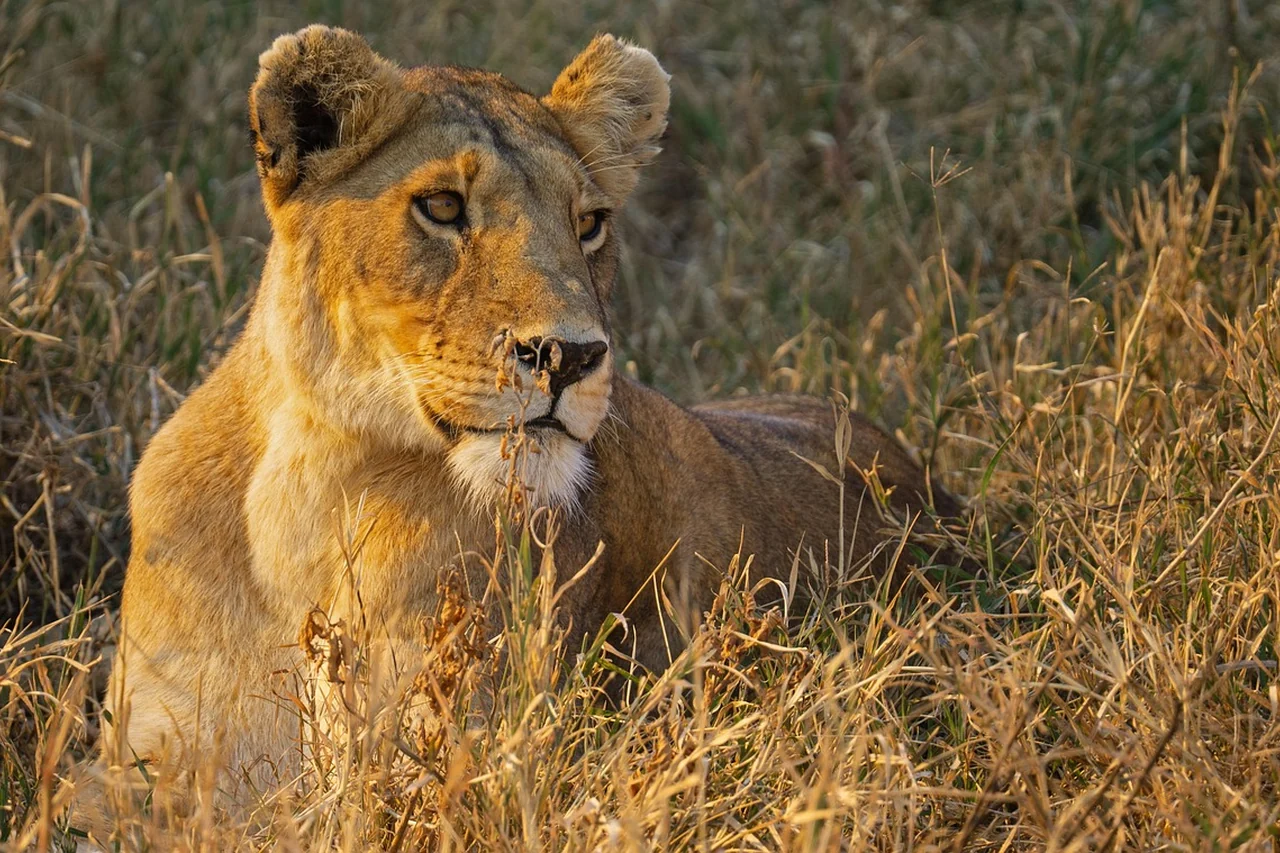
The park is known for elephants, buffalo, lions, leopards, wild dogs, and a strong mixture of eastern and southern African species. Sightings can require patience, which is part of the appeal in a lower-traffic setting.
Guides work within park, marine, forest, and community rules. Ethical travel means allowing animals space, accepting that some encounters will not happen, and choosing activities for their quality rather than the number that can fit into one day.
Best time to visit
Dry months usually make wildlife easier to locate around water, while green periods bring dramatic landscapes and birdlife but may limit access. Camp operating calendars should be checked before building flights.
Season is not only weather. It can change road access, camp location, crowd levels, pricing, wildlife distribution, water conditions, photography, and flight schedules. We use your priorities to decide whether the popular month is actually the best month for you.
How long to stay and how to arrive
Scheduled flights are the normal choice for most visitors. A minimum of three nights is sensible, with four or five better for photographers and repeat safari travellers. Distances within the park are significant.
The final itinerary shows airport, airstrip, gate, boat, or road transfer details clearly. We avoid same-day connections that depend on perfect timing, particularly when bush flights or long international sectors are involved.
What to combine with Ruaha National Park
Ruaha pairs naturally with Nyerere or a beach stay. It suits travellers who have already seen the northern circuit or who prefer fewer vehicles and a more remote camp experience.
A coherent route should have a clear sequence. We assess whether to drive, fly, add a rest night, or remove a stop so the trip feels like a journey rather than a collection of bookings.
Questions about Ruaha National Park
How long should I spend in Ruaha National Park?
3 to 5 nights is a useful planning range. The right answer depends on transfer time, season, the size of the area, and whether the destination is the main focus or one part of a longer trip.
What is Ruaha National Park best known for?
Predators, elephants, rugged landscapes. The page explains the wider landscape and practical reasons to visit so the destination is not reduced to one marketing phrase.
Can the experience be guaranteed?
No. Wildlife, weather, visibility, road access, tides, and natural events change. A good itinerary improves timing and access but does not promise a specific animal, crossing, summit view, or marine encounter.
Is this destination suitable for families?
Suitability depends on ages, drive or flight time, accommodation rules, medical needs, and the daily activity. We can recommend family rooms, shorter game drives, or a different destination when the logistics are too demanding.
Can it be added to a Kilimanjaro trip?
Many northern destinations and Zanzibar combine well with Kilimanjaro. Remote southern or western areas require more days and flights. The complete journey should be planned before the mountain deposit is paid.