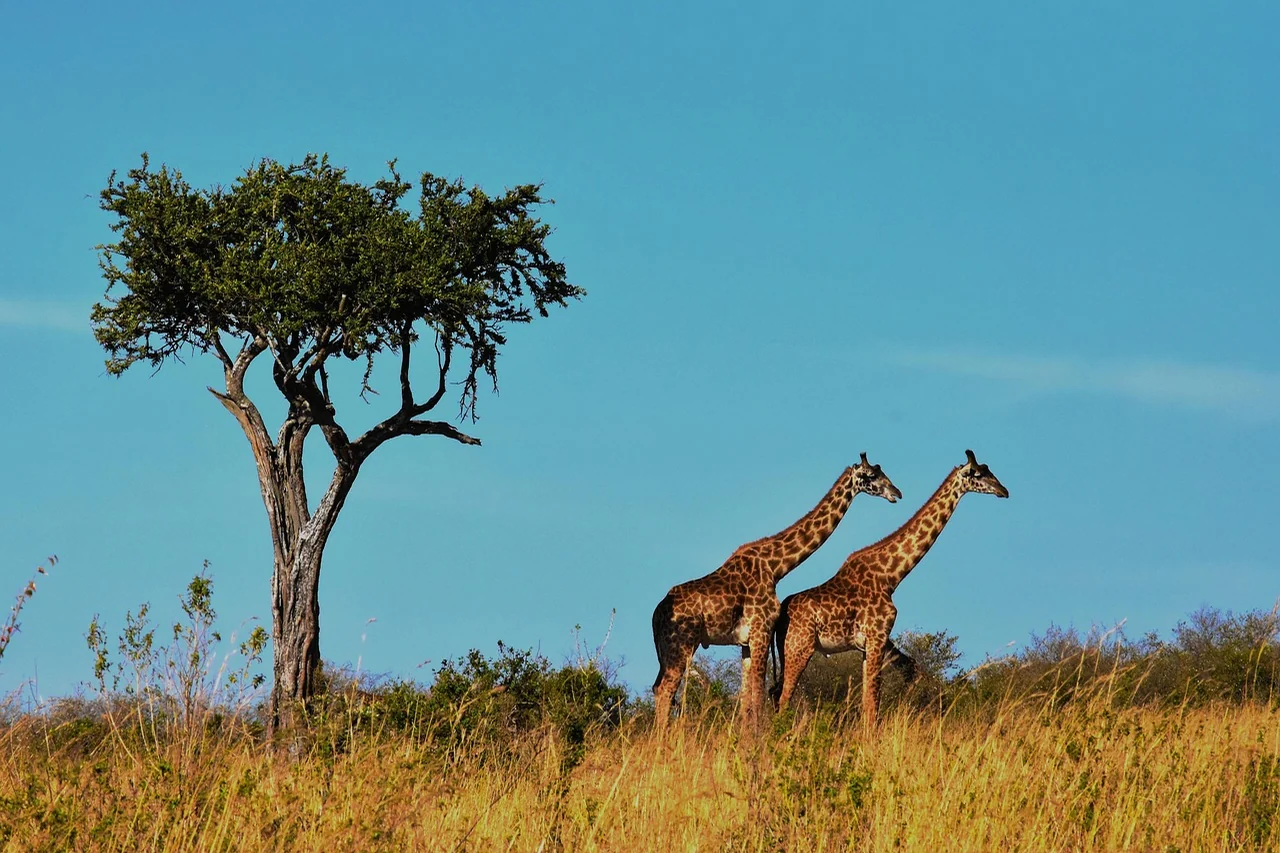
There is no single best month for every safari. The useful question is which trade-offs match your parks, wildlife priorities, budget, and tolerance for dust, rain, or busy sightings.
Start with the experience, not the weather icon
A forecast symbol cannot describe a whole safari circuit. Northern Tanzania has large changes in altitude, rainfall, vegetation, and wildlife movement. A green Serengeti can be excellent for photography while a drier Tarangire concentrates animals around water. The same month can feel different in two parks and at two elevations.
Begin with the species, landscapes, and pace you value. Then decide how much you care about predictable roads, lower rates, fewer vehicles, clear mountain views, lush colour, or migration positioning. A good route accepts the season instead of trying to force every park into the same role.
Rain can arrive early or late, dry spells can occur in a wet month, and wildlife moves in response to water and grazing rather than a fixed tourism calendar.
A practical season-by-season framework
January through March often suits travellers interested in the southern Serengeti and Ndutu area, where the wider migration may gather during the calving period. It can be warm, with local showers, dramatic skies, and active predator-prey interactions. Exact herd position still changes from week to week.
April and May are commonly associated with heavier rains in parts of the northern circuit. Some roads become slower and selected seasonal camps close, but the landscape is green, visitor numbers can be lower, and permanent lodges remain useful. June often marks a transition toward drier conditions. July through October is popular for dry-season game viewing, while November and December can bring short rains, fresh grass, and changing migration distribution.
| Period | Typical strengths | Common trade-offs |
|---|---|---|
| Jan-Mar | Green landscapes, southern Serengeti focus, calving interest | Heat, showers, changing herd position |
| Apr-May | Lower traffic, colour, birding, possible value | Wet roads, some seasonal closures |
| Jun | Transition, clearer access, varied habitats | Migration location can be spread |
| Jul-Oct | Dry-season visibility, popular northern routes | Higher demand, dust, busier sightings |
| Nov-Dec | Fresh landscapes, short-rain atmosphere | Rain timing is variable |
Let each park do the job it does well
Serengeti rewards time because the plains are immense and wildlife distribution changes. Ngorongoro Crater offers a concentrated game drive but has descent timing and vehicle rules. Tarangire can be especially strong in drier months and remains worth visiting for baobabs, elephants, and riverine habitat outside that peak. Lake Manyara and Arusha National Park contribute forest, lakes, birdlife, and a different scale.
A seasonal route should not simply add every famous park. It should place nights where dawn and late-afternoon access matter, reduce repeated highland transfers, and use domestic flights only where they protect enough time to justify the cost.
- Choose a Serengeti region that matches the month
- Keep a flexible wildlife brief rather than demanding one event
- Use two or more nights where the landscape is large
- Check camp opening dates before fixing flights
- Leave margin for wet-road or airstrip changes
Crowd level, price, and photographic quality
Peak demand does not automatically mean poor game viewing, but it does affect accommodation choice and the atmosphere at well-known sightings. A private vehicle gives more control over start time and how long to wait. Staying in the right area can reduce the rush to reach wildlife after a long transfer.
Shoulder and green-season travel can offer softer light, cleaner backgrounds, and more room, but it requires acceptance of weather changes. Dry-season travel is easier to understand and often more reliable for road access, yet dust and busy river or crater areas are part of the trade-off.
How to choose your own month
Write down three priorities and rank them. For example: migration landscapes, comfortable road conditions, and a moderate budget. Then add fixed constraints such as school holidays, a Kilimanjaro climb, or a Zanzibar wind season. That gives the planner something real to solve.
Avoid planning around an image that depends on one unpredictable event. A river crossing, hunt, or specific herd location can never be guaranteed. Build a route that is rewarding even when nature chooses a different day.
- Your exact travel window
- Number and ages of travellers
- Wildlife and landscape priorities
- Tolerance for rain, dust, and crowds
- Lodge level and approximate budget
- Any climb, beach, or international-flight connection
Frequently asked questions
Which month has the best overall wildlife viewing?
July through October is popular for dry-season visibility, but strong safaris are possible throughout the year. Your target parks and wildlife interests matter more than a single national answer.
Is the rainy season a bad time for safari?
Not automatically. It can bring green scenery, dramatic weather, birding, lower traffic, and value. Road access and camp openings need closer checking.
Can a river crossing be guaranteed?
No. Herds and river conditions are natural. A well-positioned itinerary improves opportunity but cannot promise a crossing on a specific day.
When should I book peak season?
Six to twelve months is sensible for small camps, family rooms, and migration regions. Shorter notice can work with flexible dates or alternative properties.
Does the best safari month also suit Zanzibar?
Sometimes, but beach wind, tides, rainfall, and hotel demand add another layer. Plan the full journey rather than selecting each part separately.