What this 3-day route is designed to do
Three contrasting landscapes in three days: baobab country, the Rift Valley escarpment, and the wildlife-rich Ngorongoro Crater.
Best suited to: Travellers who want variety without committing to the longer drive to central Serengeti.
Daily rhythm: Active but sensible, using Karatu as a convenient base between parks.
The route uses Tarangire, Lake Manyara, Ngorongoro Crater as connected parts of one journey. It can be adjusted for a different start point, upgraded or simplified accommodation, a domestic flight, an extra rest day, or a Zanzibar extension. The final proposal should protect the core reason for choosing the trip rather than adding stops that weaken it.
Drive times are affected by road conditions, gate formalities, wildlife stops, and the exact lodge. Day descriptions explain the intended flow, but your guide can change the order of game-drive circuits when local conditions make another plan better.
Day-by-day itinerary
The schedule below is detailed enough to understand the route, while leaving the guide room to respond to wildlife and road conditions.
Moshi to Tarangire National Park
Drive from Moshi to Tarangire, entering a park that feels visually different from the Serengeti. The guide works the river circuits and quieter side roads according to recent sightings, stopping for lunch where it makes sense rather than racing between fixed points. Dry months can draw animals toward permanent water, while greener periods bring softer light, active birdlife, and a more open feeling across the park.
Because this is a private lodge safari, the guide can adjust the timing around wildlife, road conditions, and the energy of your group rather than following a shared-vehicle timetable.
Lake Manyara and the Rift Valley
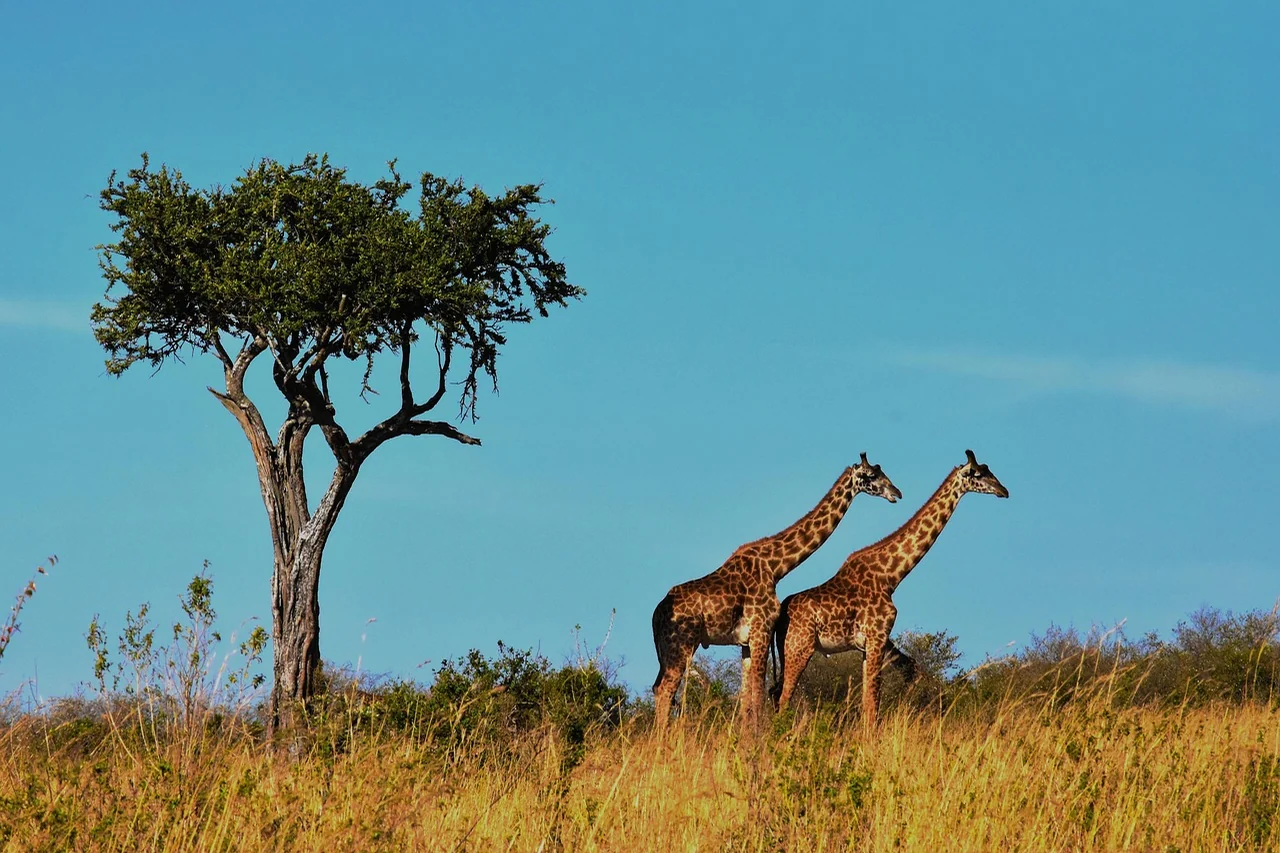
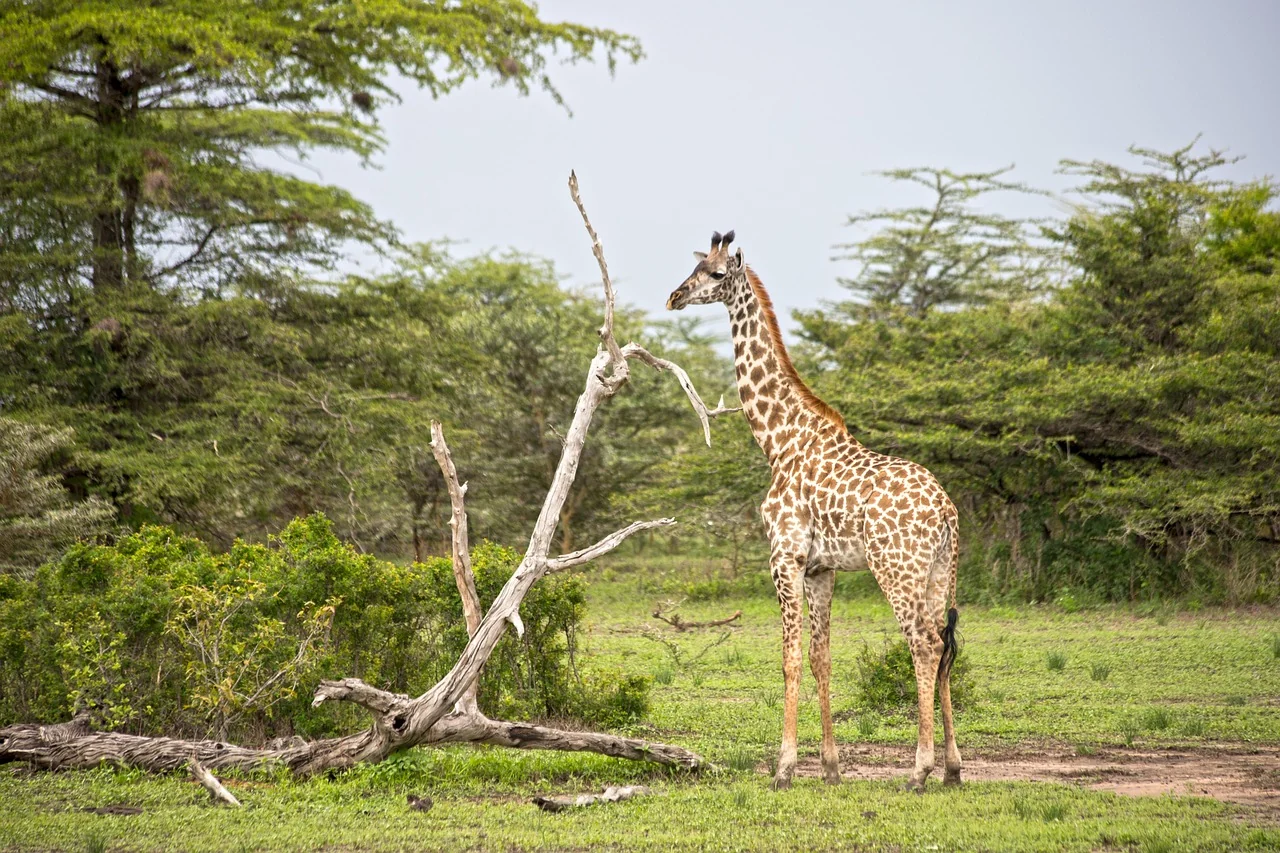
Enter Lake Manyara beneath the Rift Valley escarpment for a shorter but varied game drive. Groundwater forest, open floodplain, marsh, and lake-edge habitat sit close together, so the experience is less about covering distance and more about reading a compact landscape. Look for monkeys in the forest, giraffe and antelope on the plains, hippos near water, and a broad range of birds.
Because this is a private lodge safari, the guide can adjust the timing around wildlife, road conditions, and the energy of your group rather than following a shared-vehicle timetable.
Ngorongoro Crater and return to Moshi
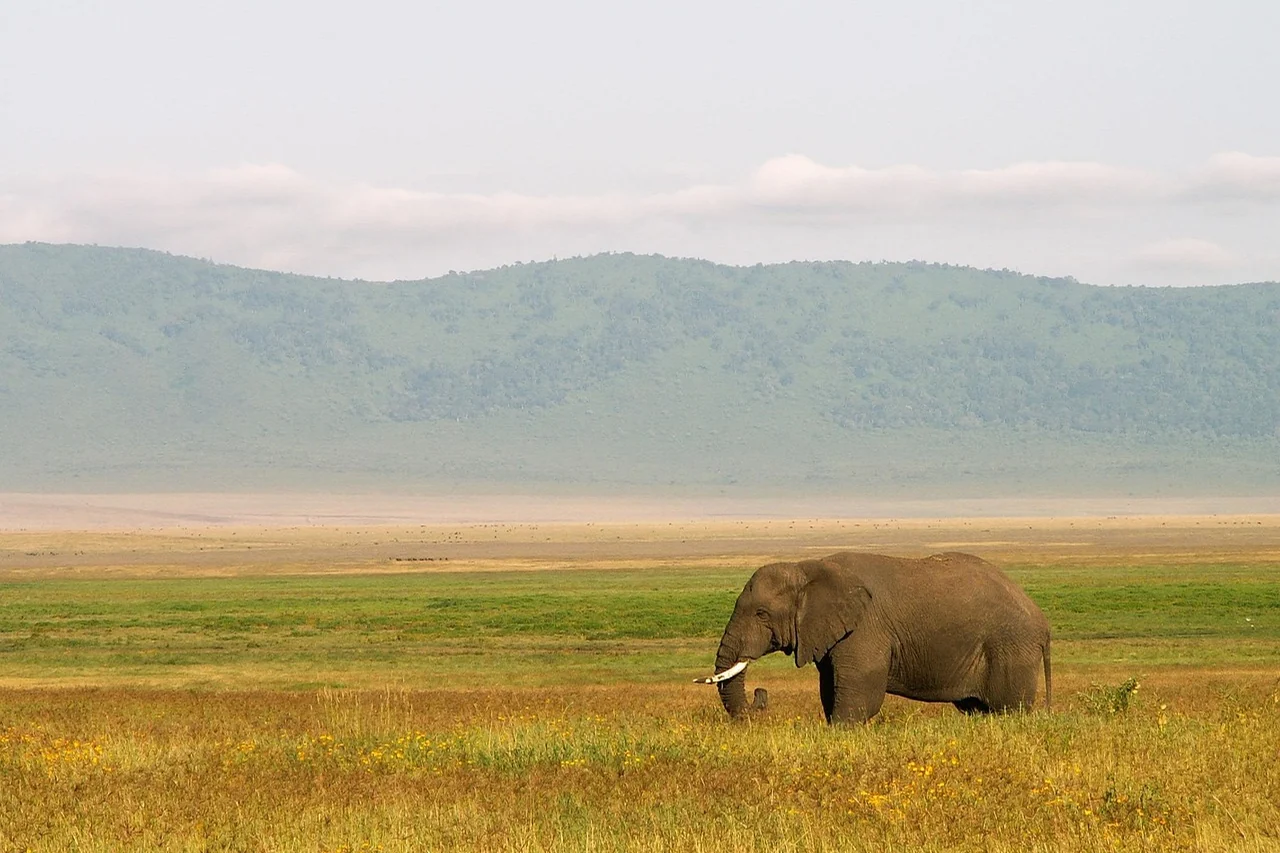
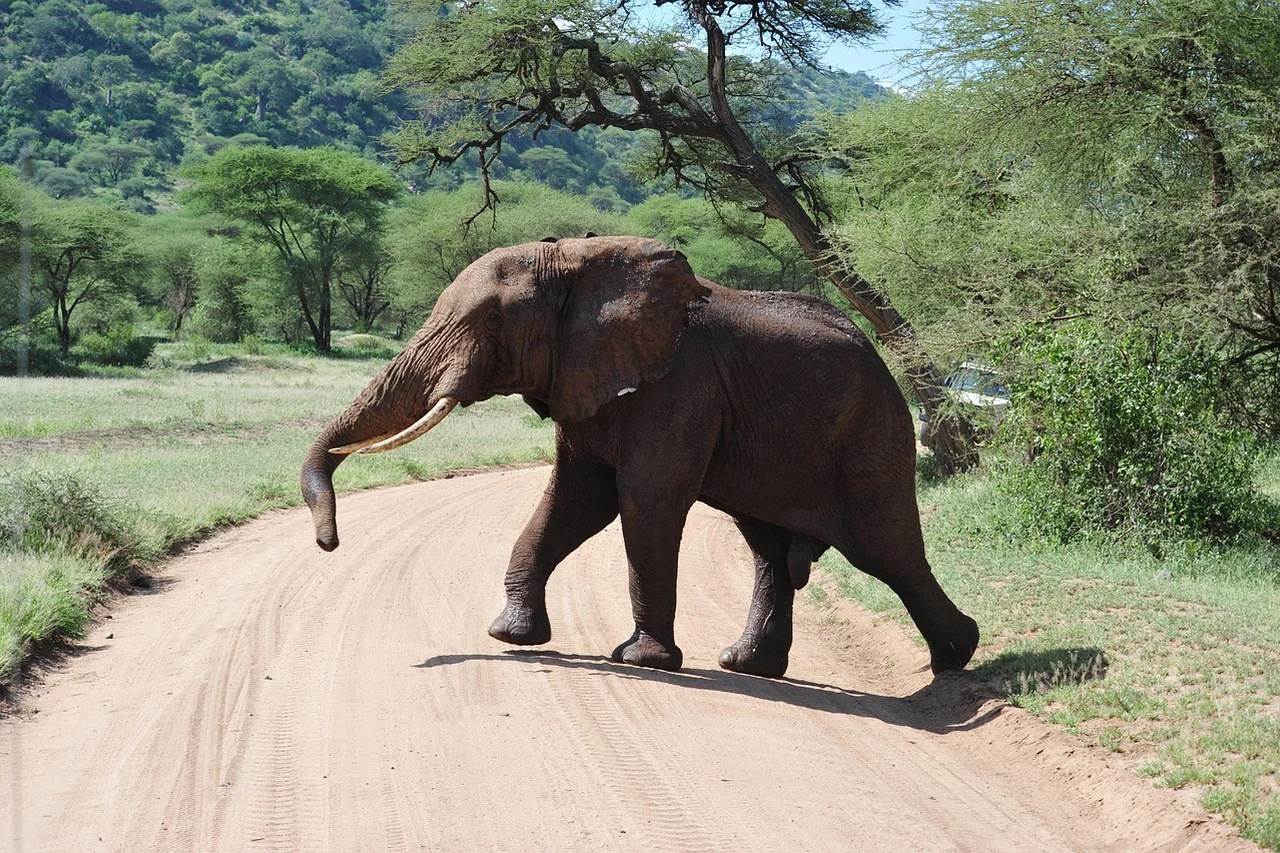
An early descent gives the best use of the crater day. From the rim, the road drops into a broad enclosed landscape where wildlife can be viewed against steep green or dry-season walls. The guide works between open plains, springs, and woodland, allowing time for a picnic at an approved site. Sightings are never guaranteed, but the crater often produces a strong and varied final game drive.
Because this is a private lodge safari, the guide can adjust the timing around wildlife, road conditions, and the energy of your group rather than following a shared-vehicle timetable.
Indicative price and group-size guide
The published starting price is $1,080 per person. The figures below are planning examples, not a binding offer. Travel month, room type, lodge availability, park-fee revisions, and route changes can move the final price.
| Private group | Planning price from | Assumption |
|---|---|---|
| 2 guests | $1,080 per person | Private vehicle, one double or twin room |
| 3 to 4 guests | $907 per person | Private vehicle, shared cost across the group |
| 5 to 6 guests | $799 per person | Private vehicle, room mix priced separately |
Children, single rooms, family rooms, fly-in sectors, and premium seasonal camps are quoted individually. No payment should be made until the named accommodation and full inclusion list are confirmed in writing.
What is included and excluded
Normally included
- Private 4x4 safari vehicle with pop-up roof
- Professional English-speaking driver-guide
- Park and conservation fees listed in the final itinerary
- Accommodation and meals stated in the proposal
- Bottled or filtered drinking water in the safari vehicle
- Airport or Moshi transfers specifically listed
- Emergency support from the local operations team
Normally excluded
- International flights and visa costs
- Travel and medical insurance
- Tips for guides, camp staff, and other service teams
- Personal drinks, laundry, souvenirs, and optional activities
- Medical costs and evacuation not covered by the agreed services
- Changes requested during travel that create additional supplier costs
The signed proposal is the controlling document. It should be checked carefully because domestic flights, beverages, special activities, and airport hotels are not identical across every package.
Accommodation approach
This published version is positioned as a Classic journey. That label is only a starting point. We select accommodation by location, room setup, service consistency, driving convenience, and the character you prefer.
Value and camping
These options protect park time and keep the route affordable. They can use public campsites, simple lodges, or permanent tented camps with practical facilities. The important question is whether the location creates unnecessary driving.
Classic and classic-plus
Most first-time guests choose this level: en-suite rooms or tents, dependable meals, good access to the parks, and a comfortable place to recover between game drives. Properties can still vary greatly in atmosphere and view.
Luxury
Higher rates may buy a stronger location, larger rooms, private decks, more attentive service, fewer rooms, or included activities. Luxury should improve the travel experience, not simply add decorative features while placing the lodge far from wildlife areas.
Season and route timing
Published season: Year-round. Tanzania is a year-round destination, but the best version of this trip can change by month. Dry periods often make roads easier and concentrate some wildlife around water. Green periods bring fresh landscapes, migratory birds, dramatic weather, and different migration positioning.
For migration itineraries, the camp region is more important than the package name. Herd movement follows rainfall and grazing, so we check seasonal information and accommodation location before confirming the route. A river crossing, hunt, birth, or specific predator sighting can never be guaranteed.
Practical planning notes
Luggage
Soft-sided bags are easiest in safari vehicles and required on many small aircraft. Store hard suitcases in Moshi when the route returns through town. Keep medication, documents, camera equipment, and one change of clothing in hand luggage.
Drive times
Distances in Tanzania are not understood well from kilometres alone. Gate queues, gravel roads, weather, wildlife stops, and the exact lodge all matter. We show realistic transfer windows in the final proposal and avoid marketing a long transit as a full game-drive day.
Health and insurance
Travel insurance with medical and evacuation cover is required. Speak with a qualified travel-health professional about your own circumstances. This website provides planning information, not medical advice.
Photography and power
Bring spare batteries, dust protection, and enough storage. Many vehicles have charging sockets, but adapters and reliability vary. Serious photographers should ask about a maximum of two or three photographers per vehicle.
Questions about this safari
Is the 3-Day Northern Tanzania Highlights Safari private?
Yes. The published version is priced as a private trip with your own safari vehicle and driver-guide. Accommodation, domestic flights, or specific activities may still be shared with other guests unless the quote states otherwise.
What does the from price mean?
The displayed $1,080 figure is a planning price per person based on the group assumption shown on the page. Final cost changes with travel month, group size, room type, camp availability, park-fee revisions, and requested upgrades.
Can the itinerary start in Arusha instead of Moshi?
Yes. We can arrange pickup in Moshi, Arusha, at Kilimanjaro International Airport, or at an agreed hotel. The final route and price will reflect the real pickup and drop-off points.
Are wildlife sightings guaranteed?
No. These are wild ecosystems, not controlled attractions. The guide uses experience and current information to improve your chances, but no ethical operator can guarantee a species, migration event, hunt, river crossing, or specific photograph.
Can dietary requirements be handled?
Most common dietary requirements can be arranged with advance notice. Tell us about allergies, medical restrictions, and strong preferences before deposit so that camps and the vehicle lunch plan can be checked properly.
How far in advance should we book?
For high-demand months and small seasonal camps, six to twelve months is sensible. Shorter notice can still work, but the best route may require different properties or dates.