Kilimanjaro can be climbed in many months, but rainfall, trail traffic, temperature, visibility, and the rest of your Tanzania trip should shape the date.
Think in weather patterns, not guarantees
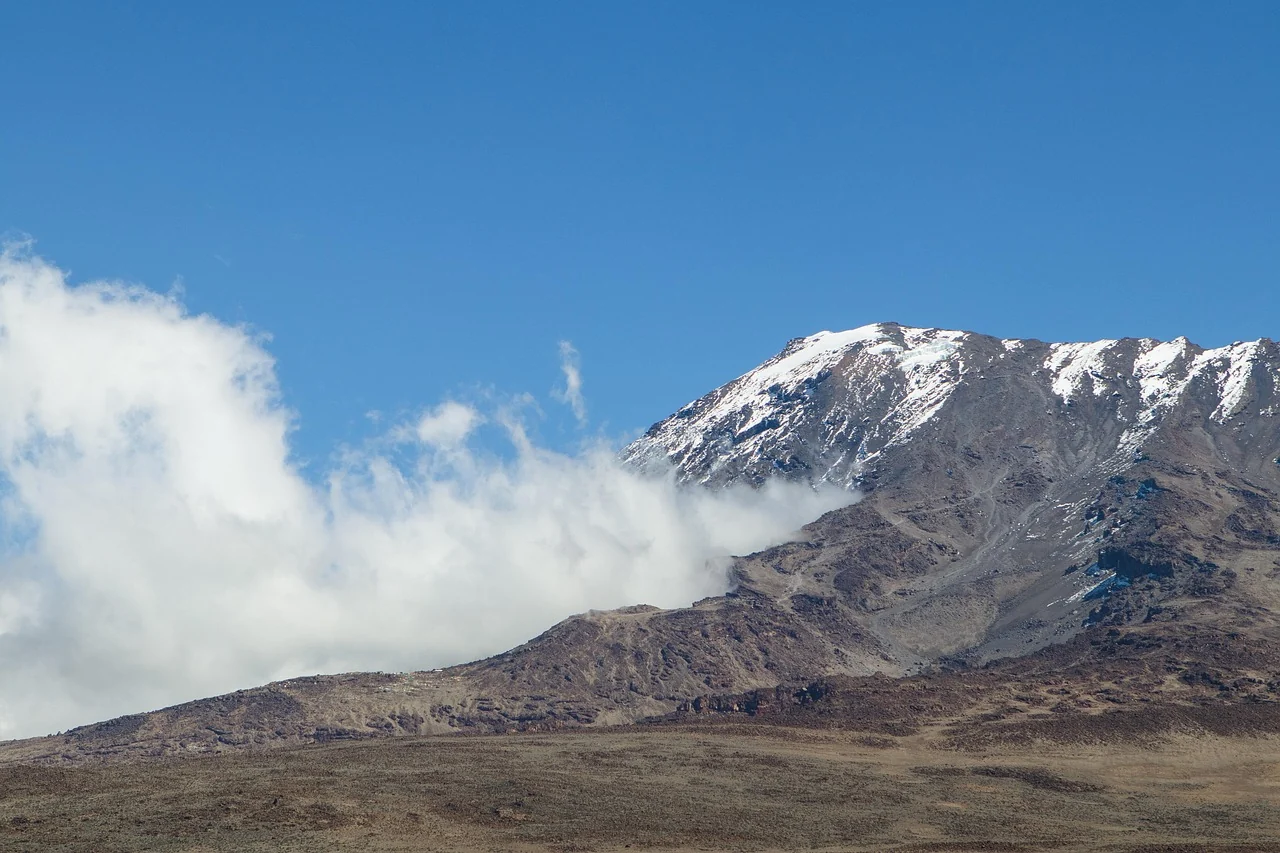
The mountain creates its own weather. A commonly drier month can still bring rain, snow, cloud, or strong wind. A wetter period can include clear mornings. Route side, elevation, and time of day all matter.
Choose a window that gives you acceptable odds, then pack and operate for difficult conditions. Weather is not a reason to remove waterproof layers or shorten acclimatisation.
The summit is thousands of metres higher and can be cold, windy, and clouded while town is warm.
Common climbing windows
January into early March is often selected for relatively drier conditions and clear views, though temperatures and snow vary. June through October is another popular period, with high demand around northern-hemisphere holidays. December can also work around the festive season when operations and availability are confirmed.
April and May are often wetter, and November can bring short rains. Climbs still operate in some wet periods, but trail condition, comfort, drying equipment, and visibility may be more challenging.
| Period | Typical planning value | Trade-off |
|---|---|---|
| Jan-early Mar | Popular drier window, often good visibility | Cold, variable snow, demand |
| Apr-May | Quieter trails and green lower slopes | Heavier rain risk and wet equipment |
| Jun-Oct | Popular drier season and safari pairing | Busier trails and early booking |
| Nov | Possible lower traffic | Short-rain pattern and uncertainty |
| Dec | Holiday departures and clear spells | High demand and variable rain |
Trail traffic changes the experience
Popular dates can create busy camps and bottlenecks at gates. Lemosho and Northern Circuit spread approach days differently, while Machame and Marangu can feel more concentrated. A quieter route is not automatically safer or easier; route length and crew logistics still matter.
Book early when you need specific hotel nights, private departures, family rooms, or a climb connected to peak-season safari.
Full moon, night light, and summit timing
A full moon can brighten parts of summit night, but cloud may hide it and the busiest dates can cluster around published moon calendars. Headlamps remain essential. A darker sky may offer stronger stars when cloud is absent.
Do not choose a shorter route simply to match a moon date. Acclimatisation and safe logistics matter more than lunar marketing.
Fit the climb into the wider Tanzania itinerary
A safari after the climb gives recovery in a vehicle, while a demanding safari before the climb can reduce rest. Zanzibar works well as a final slow section, but flights and stored mountain luggage need coordination.
Keep at least one Moshi preparation night before the climb and a sensible recovery or contingency night after descent before a critical international flight.
Frequently asked questions
Which month has the highest summit success?
No month guarantees success. Route length, pace, health, guide decisions, weather, and individual altitude response all matter.
Can I climb in the rainy season?
Yes, some departures operate, but expect wetter trails, more difficult drying, and variable visibility. Equipment quality becomes even more important.
Is a full-moon climb better?
It can provide natural light when skies are clear, but dates may be busier and a headlamp is still required.
How early should I book?
Six to twelve months is sensible for popular periods and connected safari plans, although flexible private dates may be possible later.
Should I safari before or after?
Many travellers prefer safari after the climb. The best order depends on flights, recovery, season, and personal priorities.